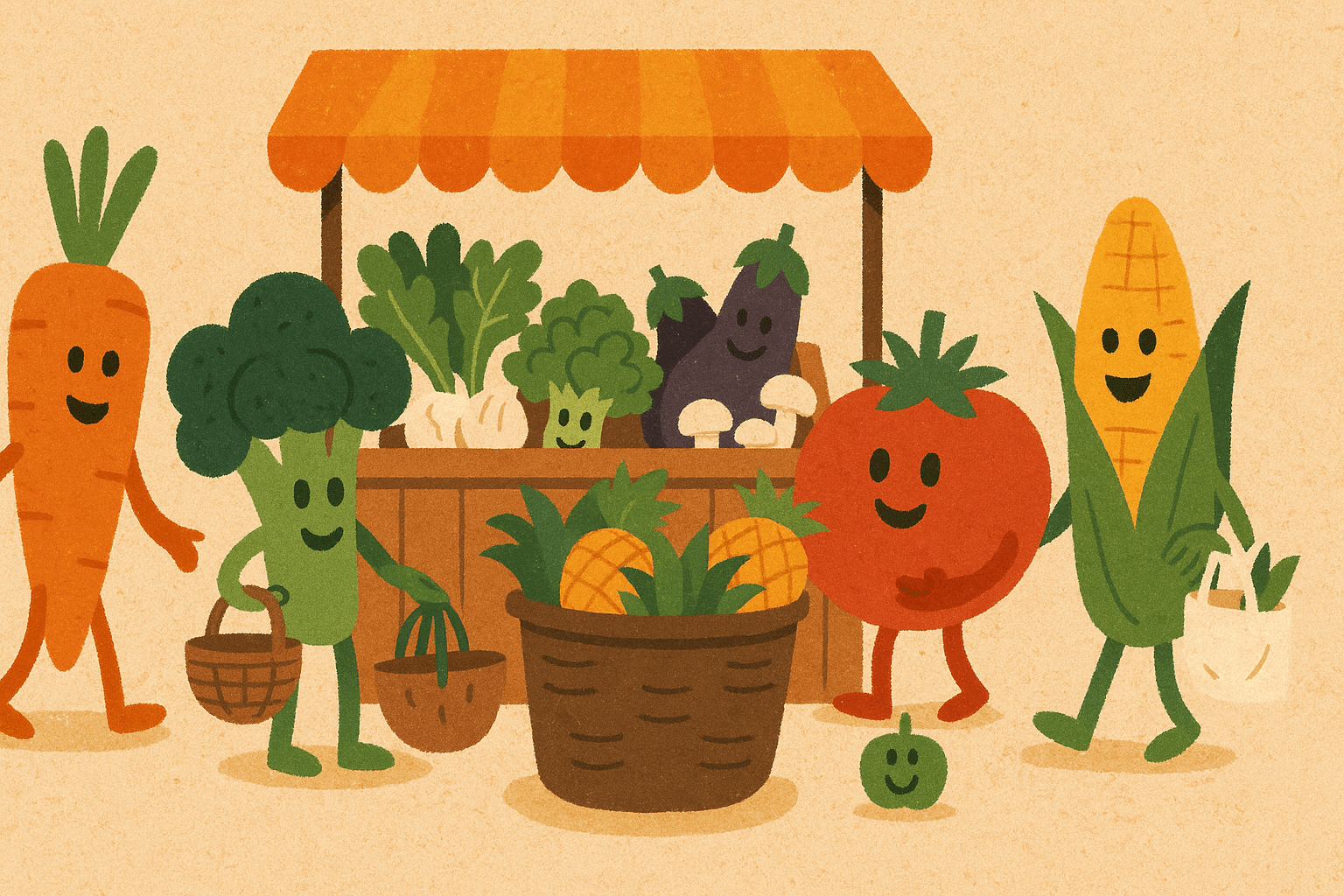
Vegetarian Picnic Plan: Safety & Recipe Ideas
Organizing a vegetarian picnic is a friendly moment that allows you to discover new flavors while enjoying the outdoors. However, eating outside also requires vigilance regarding food safety and preservation. In this article, we offer a comprehensive overview: preservation tips, food safety rules, ingredient choices, recipe ideas, everything you need for a successful vegetarian picnic. Lay out your tablecloths, take out your baskets, and follow us.
1. Understanding the Challenges of Outdoor Food Safety
A picnic is a relaxing moment, but it involves certain precautions. Unlike a meal at home, you don’t necessarily have a refrigerator or a stove to ensure optimal food hygiene and temperature. Bacteria grow faster when food is exposed to ambient temperatures, especially if they contain fresh products or those based on eggs and milk.
1.1. Why the Cold Chain is Essential
The “cold chain” ensures the safety of certain foods by preventing the proliferation of microorganisms. This chain starts at the supermarket refrigerator, continues during transport to your home, and extends when you store your products. During a picnic, this chain can be broken if you do not transport your products in an insulated bag or cooler equipped with cold packs. Dishes prepared the day before must be kept cool until departure. By following these good practices, you limit the risk of food poisoning.
1.2. The Hygiene Challenge
Even if a picnic is meant to be simple and friendly, respecting certain basic hygiene rules is essential. Fruits and vegetables should always be thoroughly washed before consumption. Ideally, hands should be cleaned with clean water or, failing that, with hand sanitizer.
1.3. Dangerous Temperatures
Some vegetarian foods, such as tofu-based products, fresh cheese, or yogurt, are more sensitive to heat. The critical temperature threshold is between 4°C and 60°C. Below 4°C, bacterial growth is slowed. Above 60°C, they are largely destroyed. But between these two values, microorganisms multiply very quickly. During a picnic, you are often in this risk zone if you leave food in the sun or out of a cooler for too long. When the outside temperature is high, it is recommended to take out only the necessary amount of food from the insulated bag first. The rest should stay cool as much as possible.
2. Organizing Your Picnic: From Planning to Transport
To avoid unpleasant surprises, a vegetarian picnic is prepared in advance. Here are some tips to simplify organization while remaining vigilant about food safety.
2.1. Choosing a Suitable Location
If you love the wilderness, why not choose a place with a drinking water source or at least easy access to water. This way, you can quickly wash off dirt, rinse your hands, and clean a fruit that accidentally fell on the ground. In the absence of a water source, bring enough bottled drinking water or a jug for washing.
2.2. Anticipating Containers and Utensils
Hermetic containers, insulated bags, coolers, and reusable glass or BPA-free plastic boxes are excellent allies. They protect your preparations from outside moisture and shocks, as well as from potential insects or bacteria that could settle on them. Plan one or two ice packs, especially if you are bringing dairy products or dishes that may spoil quickly.
Don’t forget:
- Paper towels or cleaning wipes
- Reusable cutlery (forks, knives, spoons)
- Reusable cups or glasses
- Trash bags to leave the place clean
2.3. Clearly Identifying Your Preparations
Labeling your boxes saves time once you arrive. Write the name of the dish and, if necessary, the preparation date on them. This way, everyone will know what they are eating, and you can check that your preparations have not exceeded their shelf life.
2.4. Managing Waste
An outdoor picnic should be environmentally friendly. Sort your waste: packaging, food scraps, cardboard, etc. It’s better to bring a bag dedicated to recycling. Some picnic sites already offer recycling bins. Always make sure to take your waste with you if no bin is provided.
3. Selecting Quality and Seasonal Ingredients
A vegetarian picnic is an opportunity to highlight the freshness and diversity of plant products. Favor seasonal, organic, or local fruits and vegetables as much as possible. Short supply chains reduce transport times and generally guarantee tastier and more nutrient-rich products.
3.1. Seasonal Fruits and Vegetables
Each season brings its share of colors and flavors:
- Spring: asparagus, radishes, spinach, strawberries
- Summer: tomatoes, cucumbers, zucchinis, eggplants, stone fruits like peaches and apricots
- Autumn: pumpkin, mushrooms, chestnuts, grapes
- Winter: carrots, leeks, cabbages, citrus fruits
By choosing seasonal ingredients, you support local agriculture while offering tastier dishes.
3.2. Soy-Based Products, Legumes, and Grains
For a vegetarian picnic, it is wise to opt for varied plant proteins. Legumes like lentils, chickpeas, and red beans can be cooked in many ways: salads, spreads, etc. Tofu, tempeh, or seitan are well-suited for marinated or smoked preparations. Whole grains like quinoa, brown rice, or bulgur make for filling, nutrient-rich salads.
3.3. Cheeses and Eggs
If your vegetarian diet includes animal products, cheeses and eggs are an asset for the picnic due to their nutritional value. Hard-boiled eggs are easy to prepare, can be transported without difficulty, and offer good quality protein. Hard cheeses (like vegetarian Comté or Cheddar) keep a bit better at room temperature than mozzarella or ricotta, but they should still be kept in a cooler to avoid any risk.
4. Vegetarian Recipe Ideas for a Successful Picnic
Now that the logistics are in place and you have chosen your ingredients, let’s move on to the most delicious part: recipe ideas. A vegetarian picnic can be varied with simple and tasty dishes.
4.1. Refreshing Salads
4.1.1. Quinoa Salad with Crunchy Vegetables and Feta
- Ingredients: quinoa, cucumbers, cherry tomatoes, red onions, feta cheese, black olives, olive oil, lemon, salt, pepper
- Preparation:
- Cook the quinoa according to the package instructions, then let it cool.
- Cut the cucumbers, cherry tomatoes, and red onions into small pieces.
- Mix everything with crumbled feta and a few black olives.
- Season with a drizzle of olive oil, lemon juice, salt, and pepper.
4.1.2. Green Lentil Salad with Grilled Vegetables
- Ingredients: green lentils, red and yellow peppers, zucchini, olive oil, balsamic vinegar, salt, pepper
- Preparation:
- Cook the lentils in salted boiling water until tender. Drain and let cool.
- Cut the peppers and zucchini into large pieces. Brush them with olive oil, then grill them in the oven or on a grill pan.
- Cut them into cubes.
- Mix the grilled vegetables with the lentils, season with a dressing made of olive oil, balsamic vinegar, salt, and pepper.
4.2. Appetizing Sandwiches and Wraps
4.2.1. Hummus, Avocado, and Crudités Sandwich
- Ingredients: whole grain bread, hummus, avocado, grated carrots, tomatoes, lettuce, salt, pepper
- Preparation:
- Generously spread hummus on the bread.
- Arrange slices of avocado, grated carrots, tomato slices, and a few lettuce leaves.
- Season to taste.
- Close the sandwich and wrap it in food paper or cling film.
4.2.2. Falafel Wraps with Herb Yogurt Sauce
- Ingredients: wheat tortillas, falafels (homemade or store-bought), lettuce, tomatoes, Greek yogurt, parsley, mint, lemon juice, salt, pepper
- Preparation:
- Prepare the sauce by mixing yogurt, finely chopped parsley and mint, a drizzle of lemon juice, salt, and pepper.
- Quickly heat the falafels.
- Spread the sauce on the tortilla, add lettuce leaves, tomato slices, and falafels.
- Close the tortilla into a wrap and optionally cut it in half.
4.3. Bites, Spreads, and Dips
4.3.1. Vegetable Sticks and Tzatziki
- Ingredients: carrots, cucumbers, peppers, Greek yogurt, grated cucumber, minced garlic, olive oil, salt, pepper
- Preparation:
- Cut the vegetables into sticks.
- Mix the grated cucumber, garlic, salt, pepper, olive oil, and yogurt to make a fresh tzatziki.
- Serve everything in sealed containers to prevent leaks.
4.3.2. Chickpea Rillettes with Sun-Dried Tomatoes
- Ingredients: cooked chickpeas, sun-dried tomatoes, olive oil, salt, pepper, paprika
- Preparation:
- Drain the chickpeas, reserving some cooking liquid to adjust the consistency.
- Blend them with sun-dried tomatoes, a drizzle of olive oil, a bit of salt, pepper, and paprika.
- Adjust the consistency by adding some cooking liquid if necessary.
- Serve these rillettes with crackers or toasted bread.
4.4. Hot or Cold Small Dishes
4.4.1. Spinach and Goat Cheese Quiche
- Ingredients: shortcrust pastry, fresh spinach, goat cheese, eggs, fresh cream, salt, pepper, nutmeg
- Preparation:
- Sauté the spinach for a few minutes to release their water.
- In a bowl, beat the eggs with the fresh cream. Season with salt, pepper, and a pinch of nutmeg.
- Arrange the spinach on the pastry, sprinkle some goat cheese slices, then pour the quiche mixture.
- Bake at 180°C for 30 to 35 minutes. Let cool before unmolding.
- Cut the quiche into portions and keep it cool until departure.
4.4.2. Potato and Onion Tortillas
- Ingredients: potatoes, onions, eggs, olive oil, salt, pepper
- Preparation:
- Peel and slice the potatoes into thin rounds. Slice the onions.
- Sauté them in olive oil until tender.
- Beat the eggs in a bowl. Add salt and pepper.
- Pour the mixture over the potatoes and onions in the pan. Cook gently on each side.
- Cut into portions and store in an airtight container.
4.5. Sweet Treats and Fruity Desserts
4.5.1. Summer Fruit Salad
- Ingredients: watermelon, melon, peaches, apricots, raspberries, fresh mint
- Preparation:
- Cut the fruits into pieces and place them in a large bowl.
- Add a few chopped mint leaves to enhance the flavor.
- Keep cool and wrap the bowl in cling film.
4.5.2. Blueberry and Lemon Muffins
- Ingredients: flour, sugar, baking powder, milk or plant-based milk, egg or substitute, oil, lemon zest, blueberries
- Preparation:
- Mix the dry ingredients: flour, sugar, baking powder, and a pinch of salt.
- In another bowl, whisk the egg, milk, and oil.
- Gently incorporate the wet mixture into the dry preparation, then add the blueberries and lemon zest.
- Pour the batter into muffin molds and bake at 180°C for about 20 minutes.
- Let cool before wrapping them individually in parchment paper.
5. Keeping Cool and Serving Safely
Keeping cool is crucial for these vegetarian recipes, especially if they contain sensitive products (cheese, eggs, yogurt-based sauces). Some serving tips:
- Take your preparations out of the cooler only when it’s time to eat.
- Serve dishes in small quantities. Keep the rest cool for a second serving.
- Avoid leaving dishes exposed to heat for more than two hours, especially in direct sunlight.
5.1. Checking Quality Before Consuming
Before enjoying, inspect the appearance and smell of your dishes. A change in color, a strange smell, or a suspicious taste should alert you. Caution is key in a picnic context.
5.2. Tips for Keeping Food Cool
- Use multiple cold packs and place them above and below sensitive dishes.
- Place the most fragile products (fresh cheeses, mayonnaise or yogurt-based salads, spreads) closest to the cold packs.
- Keep bread and biscuits in a separate bag to keep them dry.
6. Refreshing Drinks to Accompany the Picnic
It’s not always thought of, but the question of drinks is also central during a picnic. With the heat, it’s important to stay hydrated regularly. Here are some ideas:
- Fruit-infused water: place lemon slices, a few mint leaves, and red fruits (strawberries, raspberries) in a large water bottle.
- Homemade iced tea: prepare green (or black) tea earlier in the day and let it cool. Add a bit of honey or maple syrup, lemon juice, and mint leaves.
- Light smoothies: blend seasonal fruits with plant-based milk (almond, soy, or oat), add ice cubes, and keep everything in an insulated bottle.
Avoid leaving drinks in the sun, as they can heat up quickly. If you want to bring rosé wine or a non-alcoholic aperitif, place the bottle in a separate insulated bag.
7. Zero Waste Tips and Environmental Respect
A vegetarian picnic naturally fits into a more eco-friendly approach. Opting for zero waste is an excellent way to extend this philosophy:
- Favor reusable containers (glass jars, airtight boxes).
- Avoid disposable tableware. Use washable or compostable plates, cutlery, and cups.
- Bring a cloth or reusable towel instead of paper napkins.
- Bring a bag to collect all your waste so as not to leave anything behind.
8. Checklist for a Hassle-Free Vegetarian Picnic
Before closing your bags, check this list:
- Airtight boxes for salads, sandwiches, quiches, etc.
- Cooler or insulated bag with cold packs.
- Reusable utensils (forks, knives, spoons).
- Eco-friendly plates or cups (bamboo, recycled cardboard, etc.).
- Cloth napkins or reusable towel.
- Trash bags and a small bag for recycling.
- Cleaning wipes or hand sanitizer.
- Sufficient drinking water.
- Fresh and seasonal ingredients, washed and pre-cut if necessary.
- List of packed and labeled dishes.
By checking each item, you ensure you don’t forget anything.
9. Conclusion: Enjoying a Vegetarian Picnic with Peace of Mind
A vegetarian picnic is more than just a shared meal outdoors. It’s an opportunity to discover the richness of plant-based cuisine, experiment with new flavor combinations, and enjoy a warm moment with loved ones. Even though food safety requires a few extra precautions compared to a meal at home, it is far from being a barrier to creativity.
By paying attention to the cold chain, using suitable containers, and choosing simple yet balanced recipes, you significantly reduce the risk of food poisoning. Fill your basket with refreshing salads, easy-to-transport small dishes, tasty dips, and refreshing drinks. Don’t forget seasonal fruits for a sweet and light note.
A successful vegetarian picnic relies on the combination of friendliness, deliciousness, and environmental respect. By carefully planning your menus and adopting zero waste practices, you will fully enjoy nature while preserving it. All that’s left is to choose a green spot, gather your friends or family, and enjoy the simple pleasures of outdoor dining. Happy picnicking!