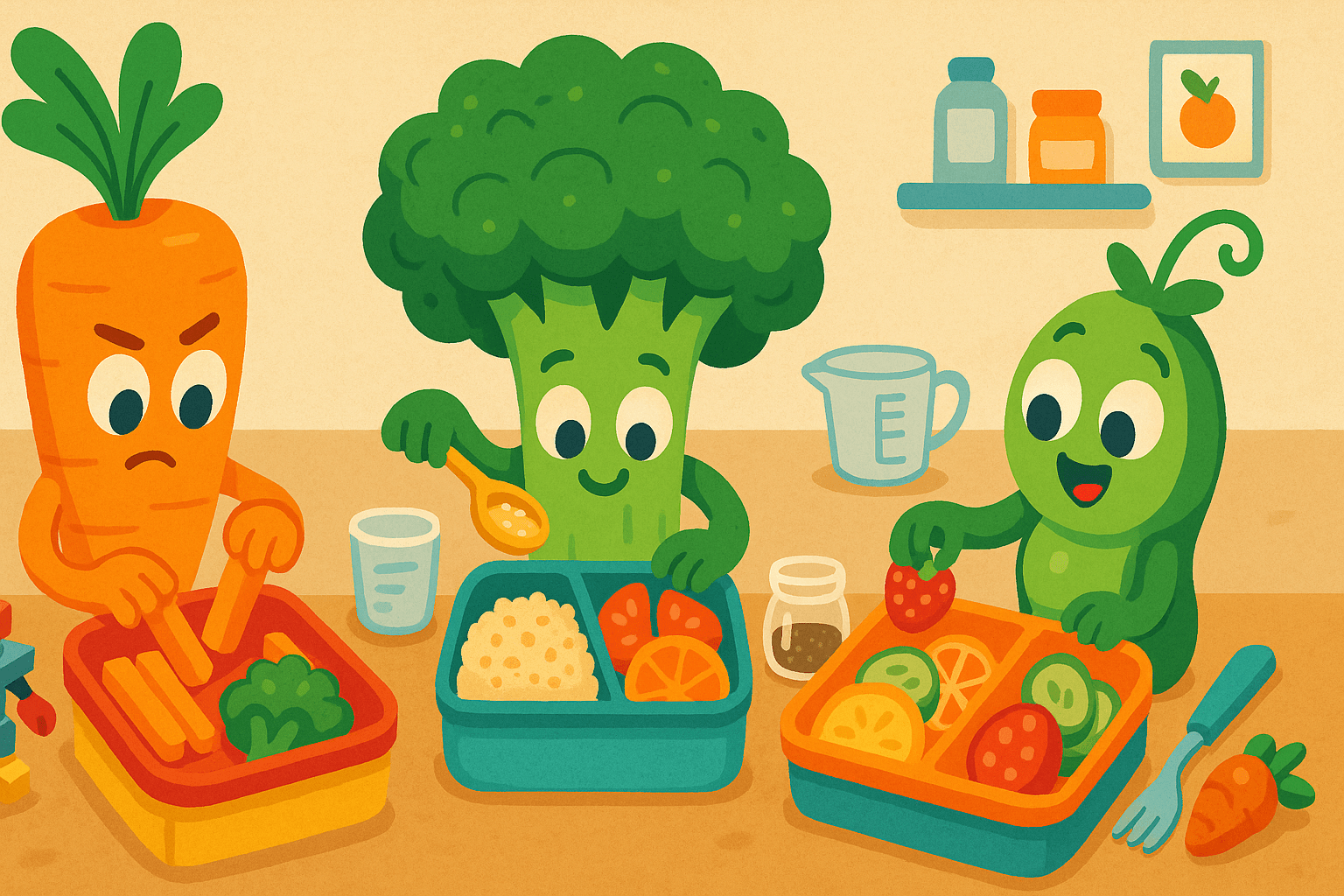
Planning Your Vegetarian Meals for the Week
Modern life often pushes us to run everywhere, making meal organization sometimes challenging. However, good vegetarian meal planning can save us time, money, and energy daily. In this article, you will discover how to start planning your weekly meals, from defining your nutritional goals to creating a balanced and tasty menu calendar. We will also see how to master the art of sourcing, prepare ingredients in advance, and avoid food waste. Finally, you will find concrete examples of weekly menus to inspire you.
Why Plan Your Vegetarian Meals?
Planning meals, whether vegetarian or not, has many advantages. Besides saving you precious time during the week, good planning helps you stick to your budget and avoid impulse purchases. Buying only what you need will also help reduce food waste.
Here are some reasons why planning is essential:
- Savings: With a precise and well-thought-out shopping list, you limit purchases that do not meet your real needs.
- Time saving: Less stress at each meal. You know exactly what to cook, saving you from spending long minutes searching for ideas.
- Nutritional balance: Anticipating your week helps you better distribute macro and micronutrients.
- Waste reduction: By preparing your meals with precision, you make fewer mistakes on quantities and throw away fewer leftovers.
- Meal variety: You can plan different recipes to avoid monotony.
In a vegetarian diet, planning is particularly interesting because it allows you to ensure optimal intake of plant proteins, vitamins (such as vitamin B12 if you are vegan), and minerals (such as iron or calcium). You can also vary plant sources and discover new ingredients.
Step 1: Define Your Nutritional Goals
Before diving into creating a vegetarian menu for the week, it is useful to start by clarifying your nutritional goals and needs. Vegetarian diets can take several forms, from lacto-ovo vegetarianism (including milk, eggs, and dairy products) to veganism (no animal products), to pescatarianism (including fish). Each type of diet has specific needs:
- Proteins: In a vegetarian diet, it is advisable to diversify protein sources, notably through legumes (lentils, chickpeas, red beans, etc.), tofu, tempeh, seitan, and nuts (almonds, walnuts, hazelnuts). For lacto-ovo vegetarians, eggs and cheese are also good protein sources.
- Vitamins and minerals: Vegetarians must pay particular attention to iron, calcium, and vitamin B12 (for vegans). Spinach, kale, almonds, tahini (sesame paste), and dairy products are excellent allies for calcium. For iron, you can turn to lentils, white beans, or pumpkin seeds.
- Fats: Favor unsaturated fats found in foods like avocado, nuts, and olive oil. Omega-3 fatty acids, sometimes less abundant in a strict vegetarian diet, can come from flaxseeds, walnuts, and chia seeds.
- Fiber: They are generally abundant in a vegetarian diet, as they mainly come from fruits, vegetables, and whole grains.
By knowing your goals (health, energy, possible weight loss, or maintaining physical fitness), you will know how to adapt the quantity of each food group to your schedule and needs. If necessary, it is always preferable to consult a dietitian for personalized advice.
Step 2: Compose a List of Key Ingredients
Once you have clarified your dietary needs, the next step is to establish a list of key ingredients that you will use regularly. This list will save you time in the kitchen, as the basic foods will remain the same, while you will only vary certain preparations or seasonings.
Vegetables and Fruits
- Carrots, zucchini, tomatoes, spinach, broccoli, cauliflower, peppers, mushrooms
- Seasonal fruits (apples, bananas, berries, citrus fruits, etc.)
Plant Proteins
- Lentils (green, coral, brown), chickpeas, red and white beans, fava beans
- Tofu (smoked, silken, firm), tempeh, seitan
- Nuts: almonds, walnuts, hazelnuts, cashews, pumpkin seeds
- Eggs and cheeses (if you are lacto-ovo vegetarian)
Grains and Starches
- Rice (whole, basmati, etc.), quinoa, pasta (whole or traditional), semolina
- Whole grain bread or country bread
- Potatoes, sweet potatoes
Dairy Products (optional depending on your diet)
- Milk or plant-based drinks (oat, almond, soy…)
- Yogurts, cottage cheese, goat or sheep cheese
Seasonings and Complements
- Vegetable oils (olive, canola, walnut)
- Spices: curry, paprika, cumin, turmeric
- Herbs: basil, coriander, parsley
- Sesame paste (tahini), peanut butter, soy or tamari sauces
- Seeds: flax, chia, sesame
This general list can be adapted according to your preferences and storage capacities. You can also go into the details of what you consume every week. The important thing is to have a balanced range of products to create varied and healthy recipes.
Step 3: Create a Simple and Realistic Schedule
To plan your meals for the week, it is wise to start by noting your various constraints. For example, if you have professional or personal obligations on Thursday evening, plan a quick or anticipated meal. You can use a table, an Excel file, or a simple notebook to define the menus for each day.
Daily Meal Organization
- Breakfast: Opt for a hearty and balanced meal. Oatmeal, granola, whole grain bread, fruits, and a protein source (eggs, scrambled tofu, or yogurt) are excellent options.
- Lunch: Favor a main dish containing a portion of plant proteins (legumes, tofu, etc.), a vegetable or salad, and a starch.
- Snack (optional): A fruit, some nuts, or a yogurt to avoid cravings at the end of the day.
- Dinner: As for lunch, ensure a balanced distribution of food groups, but perhaps prefer lighter dishes for the night.
Vary the Recipes
To avoid monotony, aim for diversity on the plate. You can alternate between different legumes, vary seasonal vegetables, and introduce many flavors through spices and herbs. Do not hesitate to explore recipes from other cultures (Indian, Asian, or Mediterranean cuisines) to discover new dishes.
Keep Flexibility
Finally, maintain some flexibility. If you have an unexpected event or do not have time to prepare one of the meals in your schedule, do not pressure yourself. Rearrange your schedule and use ready-made basic products, such as frozen vegetables or pre-cooked tofu, to improvise a quick meal.
Step 4: Make the Shopping List
Once you have determined your menus for the week, make a comprehensive shopping list. Group your purchases by categories (vegetables, fruits, grains, legumes, etc.) to save time at the supermarket or market. Assess the necessary quantity for each ingredient to avoid overbuying or running out.
Tips for the Shopping List
- Prioritize fresh products: Buy first what needs to be consumed quickly (salads, leafy vegetables, delicate fruits).
- Look for smart promotions: If a legume is on sale, you can buy a little more to store in your pantry.
- Do not forget condiments: Sometimes, planning sauces, spices, or broth can make all the difference in a recipe.
- Keep an eye on labeling: Check the quality and origin of products (ideally local and organic).
By preparing your shopping list in advance, you reduce temptations and keep control of your budget. You can also adopt storage tips (freezing or jars) to extend the shelf life of certain foods.
Tips to Optimize Preparation Time
In addition to planning your menus, there are several tips to spend less time in the kitchen and more time enjoying your meals.
Meal Prep
Prepare some basic ingredients in advance, usually on weekends or a day off. For example:
- Cook a large volume of legumes (lentils, chickpeas) that you divide into portions for the week.
- Roast a tray of vegetables in the oven: carrots, zucchini, peppers, onions, etc.
- Cook rice, quinoa, or pasta in advance and store portions in airtight containers in the refrigerator.
With this system, you only need to assemble the heated (or cooled, depending on the recipes) ingredients with your sauces and seasonings during the week. The time savings are considerable.
Batch Cooking
The concept of batch cooking is similar to meal prep. It involves cooking in large quantities, often on Sunday, to divide the ingredients into several portions for different recipes. You can, for example, prepare a large vegetable stir-fry that you will use in a vegetable curry on Monday and in a vegetarian lasagna on Tuesday.
Quick Recipes
Include in your planning at least two or three recipes that can be prepared in less than 20 minutes. This could be a vegetable stir-fry in a wok, a vegetarian omelet (or a vegan omelet made with chickpea flour), or a blended vegetable soup.
Conservation and Reuse
To avoid waste, plan to cook some recipes in larger quantities so you can freeze them or use them in another dish. A chili sin carne can, for example, be transformed into a taco filling or reheated later in the week.
Examples of Vegetarian Menus for a Week
To help you get started, here is a proposal for balanced menus over seven days (breakfast, lunch, and dinner). Feel free to adjust the quantities according to your appetite and needs.
Monday
- Breakfast: Oatmeal with almond milk, chia seeds, and berries.
- Lunch: Quinoa salad, lentils, cherry tomatoes, and feta (or tofu for a vegan version). Olive oil and balsamic vinaigrette.
- Dinner: Vegetable curry (carrots, potatoes, chickpeas) with basmati rice.
Tuesday
- Breakfast: Whole grain bread toasts with avocado puree and sesame seeds. A fruit (apple or banana).
- Lunch: Grilled vegetable stir-fry (zucchini, eggplants, peppers) with smoked tofu, served with whole grain pasta.
- Dinner: Pumpkin soup and grilled whole grain bread.
Wednesday
- Breakfast: Spinach and mushroom omelet, whole grain bread.
- Lunch: Red lentil granitas (or lentil dal) with rice.
- Dinner: Arugula salad, sun-dried tomatoes, olives, and goat cheese (optional), plus a simple balsamic vinaigrette.
Thursday
- Breakfast: Homemade muesli (oats, seeds, almonds, dried fruits) with a plant-based yogurt.
- Lunch: Vegetarian burger (black bean patty, salad, tomato, yogurt sauce) accompanied by sweet potato fries.
- Dinner: Tofu and vegetable stir-fry (broccoli, carrots, onions) in a wok, soy sauce, and whole grain rice.
Friday
- Breakfast: Buckwheat flour pancakes with berry puree and a bit of honey (or agave syrup).
- Lunch: Chili sin carne (red beans, corn, peppers) with tortilla or rice.
- Dinner: Salad composed of spinach leaves, quinoa, beets, and sheep cheese (if you eat dairy products).
Saturday
- Breakfast: Green smoothie (spinach, banana, coconut milk) and peanut butter toast.
- Lunch: Vegetarian lasagna (with spinach and ricotta/or tomato sauce and mushrooms).
- Dinner: Vegetarian poke bowl (rice base, tofu cubes, assorted raw vegetables, sweet soy sauce).
Sunday
- Breakfast: Fresh bread, homemade jam, cottage cheese (or plant-based yogurt), and a handful of dried fruits.
- Lunch: Homemade ratatouille accompanied by semolina or whole couscous.
- Dinner: Minestrone soup with seasonal vegetables and white beans, served with a piece of whole grain bread.
Tips to Avoid Monotony and Stay Motivated
Planning your meals should not become a chore. To keep the pleasure of cooking and discovering new flavors, consider:
- Alternating world cuisines: Try Indian cuisine one day with a lentil dal, Italian cuisine another day with a mushroom risotto, then Mexican cuisine with vegetarian fajitas.
- Cooking with family or friends: Turn meal preparation into a fun activity. Everyone can bring their ideas and ingredients.
- Trying new recipes each week: Add a new dish to your routine that you have never cooked before. You might make some great culinary discoveries.
- Staying flexible: Sometimes you may not want to prepare the planned dish or come across an ingredient that inspires you. Do not be too rigid and leave room for spontaneity.
Managing Storage and Waste
To ensure your planning goes smoothly, it is essential to manage your stocks well. Regularly sort your refrigerator and cupboards to rotate foods and use them before their expiration date. A tip is to display a list of items to be consumed quickly on a cupboard door, so you do not forget anything.
Moreover, freezing is your ally to reduce waste. If you see that you will not be able to consume a particular food in time, do not hesitate to freeze it. You can also freeze your cooked dishes in individual portions, which can help you out on a busy day.
Anticipating Outings and Invitations
It is likely that, during the week, you will be invited to lunch or dinner outside your home. In this case, maintenance and adjustment are key. Just keep in mind that the meal planned for that day will not be cooked, or cook it in smaller quantities to avoid leftovers. Good planning also includes managing the unexpected.
If you know you are going to have lunch at a restaurant with friends, you can postpone or reschedule a planned dish later in the week. This will prevent you from buying ingredients for nothing. It is better to be flexible and realistic rather than too strict.
Practical Workshop
You now have all the keys in hand to start planning your vegetarian meals for the week. The main steps to remember are:
- Define your nutritional goals and caloric needs.
- Compose a list of basic ingredients: legumes, fresh vegetables, whole grains, etc.
- Organize your meals for the week considering your professional and family constraints.
- Make a complete and rational shopping list.
- Prepare basic ingredients in advance (meal prep, batch cooking).
- Vary your menus as much as possible to maintain the pleasure of the table.
Try to start with a test week. Note your feelings, successes, and what posed a problem. Then adjust the method for the following week. Gradually, you will find the right balance and will be able to plan your meals with serenity.
Conclusion
Planning your vegetarian meals for the week is an effective way to save time, control your budget, and ensure an appropriate nutritional intake. By defining your dietary goals, composing a list of basic ingredients, and creating a realistic schedule, you greatly simplify your life. Integrate meal prep and batch cooking to optimize your schedule, and do not forget to keep variety in your recipes to avoid falling into a routine.
With a little organization, you will see that preparing tasty and balanced vegetarian dishes becomes a real pleasure. Take the time to discover new recipes, explore local markets, and above all, do not hesitate to adjust your planning according to your lifestyle. The benefits will be felt on your health, your budget, and even on your daily stress management. Enjoy your meal and happy culinary discoveries!