Why Choose Short Supply Chains in Vegetarian Diets
Introduction
Adopting a vegetarian diet is not just about removing meat and fish from your plate. It also involves considering the environmental and socio-economic impact of food production. In this regard, short supply chains emerge as a highly interesting solution to respect the planet and support local producers. But what do we mean by short supply chains, and how do these distribution methods fit into a more responsible and sustainable vegetarian approach? This is what we will explore in detail in this article.
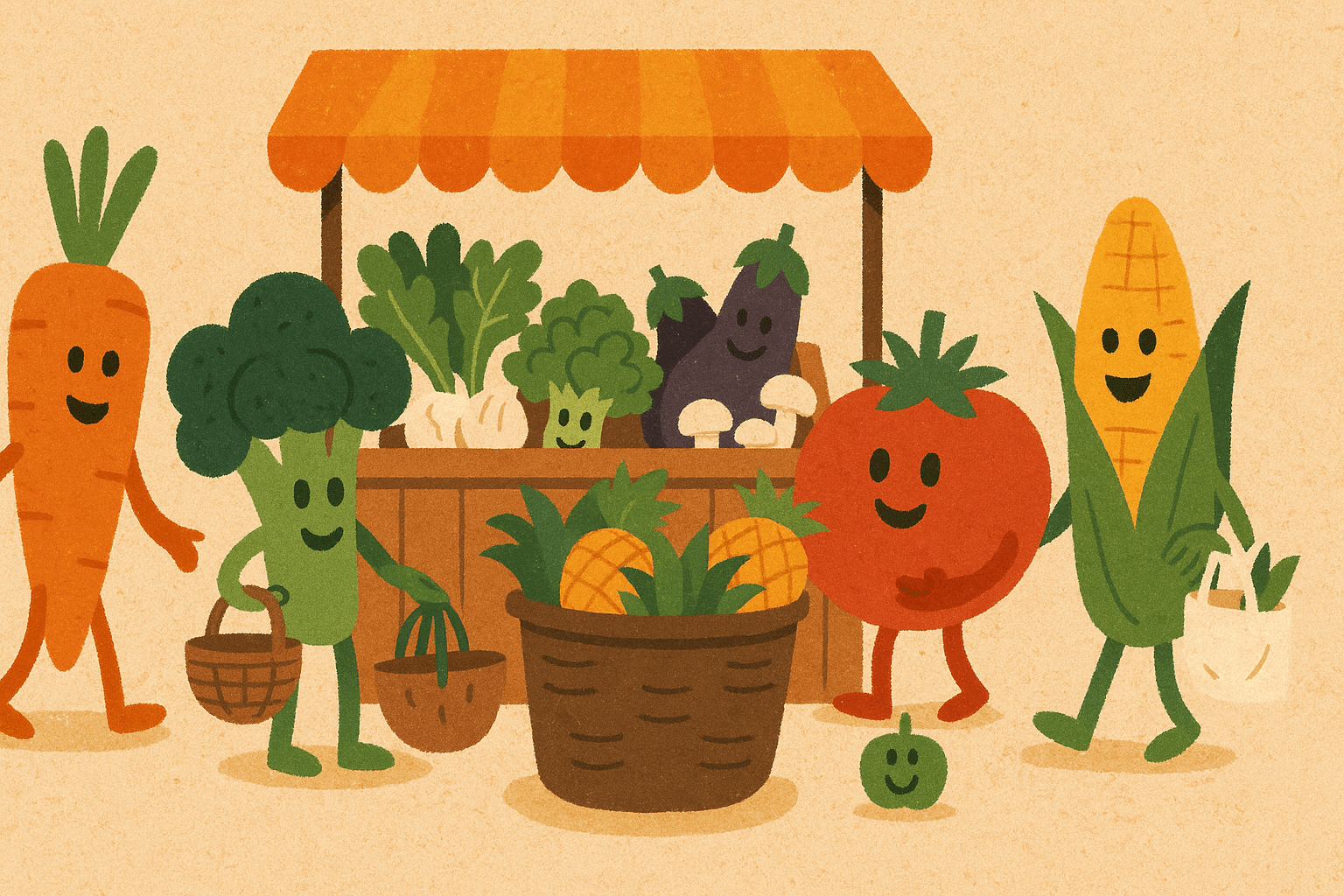
Short supply chains are often mentioned when discussing food and ecology. They aim to reduce the number of intermediaries between the producer and the consumer. Practically, this can take the form of direct farm sales, buying groups, local markets, or baskets of fruits and vegetables delivered near your home. This approach is distinctly different from the more traditional circuit where products are bought in large stores, having traveled from afar and passed through several storage points or commercial intermediaries.
For those who follow a vegetarian diet, short supply chains offer numerous advantages: faster availability of fresh products, reduced ecological impact, encouragement of the local economic fabric, etc. Here, we will discuss the various points that make short supply chains a wise choice for anyone looking to adopt or strengthen a healthier and more ethical lifestyle.
What is a Short Supply Chain?
The concept of a “short supply chain” is simple: it aims to reduce the geographical distance and the number of intermediaries between the producer and the final consumer. In some cases, there are no intermediaries at all; the producer sells directly to individuals. In other cases, a single intermediary facilitates the transaction, such as a cooperative or a small local shop. A supply chain is generally considered short when:
- The product circulates through a maximum of one or two intermediaries.
- The geographical area is reduced and favors local or regional exchanges.
This approach contrasts with long supply chains, where goods often travel great distances and pass through several processors or wholesalers before reaching the shelves of large supermarket chains. As a result, the consumer often loses sight of the exact origin and quality of their products.
Different Forms of Short Supply Chains
Short supply chains can take various forms. Among the most common:
- Direct farm sales: The consumer goes to the producer and buys products on-site.
- Local markets: Farmers, breeders, bakers, and other food artisans offer their products at a regularly organized outdoor market.
- AMAPs or vegetable baskets: Associations that directly connect a group of consumers with a producer. Members commit for a given period to regularly purchase baskets of seasonal fruits and vegetables.
- Producer shops: Sales outlets where several local farmers pool their resources to offer their products under one brand.
- Food cooperatives: They generally operate on a participatory model, encouraging transparency and collaboration among members.
The growing popularity of these approaches is explained by the increasing desire of consumers to have fresher products, more respectful of the environment, and to know their origin.
A Beneficial Ecological Impact
When adopting a vegetarian diet, there is often concern about its overall environmental footprint. Short supply chains complement this concern in several ways.
Reduction of Carbon Footprint
Importing food from abroad or transporting it across a continent impacts the overall carbon footprint of the food chain. Products often need to be transported by truck, plane, or ship. These means of transport emit significant amounts of greenhouse gases, contributing to climate change.
By prioritizing local purchases, the distance traveled by goods is significantly reduced, which limits fuel consumption and CO2 emissions. Since the basis of a vegetarian diet includes a significant consumption of fruits, vegetables, and grains, it makes sense to minimize their transport time. This addresses both ecological concerns and a logic of product freshness.
Preservation of Biodiversity
In short supply chains, producers are more likely to offer diversity in their crops, including ancient or lesser-known varieties of fruits, vegetables, and legumes. These varieties may be better adapted to the local terroir and often require fewer chemical inputs. In contrast, in long supply chains, the industrialization of agriculture tends to encourage monoculture, as it is considered profitable for standardization and logistical ease.
This cultural and agricultural diversity positively impacts biodiversity. Ancient varieties help preserve a genetic heritage that can be essential for developing future agriculture, more resilient to climate changes or diseases.
Limitation of Packaging
Short supply chains often mean bulk sales or reduced packaging, as products do not need to survive long journeys or multiple handlings. Many local producers also favor ecological packaging (kraft paper, reusable nets, fabric bags). As a result, the environmental impact of packaging is also reduced, which aligns with a more globally respectful approach to the planet.
Supporting the Local Economy
In addition to the environmental aspect, the economic and social impact of short supply chains is significant for a vegetarian diet or any other responsible diet. Consumers often want to know where their food comes from and wish to directly support those who produce it.
Job Creation and Maintenance of Farms
By buying through short supply chains, we help ensure fairer income for producers, as they are not forced to sell their products at low prices to intermediaries or purchasing centers. This allows these farms to maintain their activities or even develop. Moreover, this model creates local jobs, as it requires local logistical organization, sales points, etc.
Dynamism of Rural Areas
Short supply chains also promote the animation and vitality of rural areas. They encourage consumers to take short trips to meet producers, which can boost other local activities such as tourism, accommodation, and catering. In a context where many rural areas struggle to retain their population and prevent the closure of shops, this represents an essential asset.
Strengthening Social Bonds
Finally, buying through short supply chains often allows direct exchanges with the producer. Consumers can ask questions about cultivation methods, discover culinary tips, and better understand farming work. This human connection is generally impossible in a long supply chain, where the producer and consumer never come into contact. Nurturing this proximity helps build trust in the products and values artisanal skills.
Quality and Flavor Above All
For those adopting a vegetarian diet, the quality, freshness, and diversity of products are crucial elements. Short supply chains effectively meet these expectations.
Fresh and Seasonal Products
In short supply chains, most fruits and vegetables are harvested at maturity, as they do not need to withstand long transports or prolonged storage. This provides several benefits:
- Better nutritional quality: Vegetables lose some of their vitamins and nutrients when picked too early or stored too long.
- More pronounced taste: Harvesting a vegetable or fruit at full maturity ensures a more developed flavor.
- Respect for seasons: Consuming locally often aligns with the natural rhythm of production. Local producers cannot provide tomatoes in the middle of winter if they do not grow them in heated greenhouses. This seasonal rhythm encourages the discovery of other varieties, such as cabbages in winter or squashes in autumn.
Varieties Better Adapted to the Terroir
By prioritizing a local production mode, producers are generally more attentive to the quality of the soil, climate, and varieties they cultivate. Some opt for traditional seeds, less industrialized, more resistant to local diseases, and often richer in taste. Consumers thus discover a multitude of vegetable and fruit varieties they might never have found in supermarkets. For example, ancient squashes like the sucrine du Berry or tomato varieties from peasant seeds.
Transparency and Trust
Knowing where, when, and how your food was grown is a real guarantee of trust. When buying directly from the producer, there is no room for doubt. You can discuss cultivation methods, inquire about the use or non-use of pesticides, and even visit the farm if it’s a direct sale. This proximity reassures the consumer about the real quality of their fruits and vegetables, an important advantage for anyone serious about their health.
Short Supply Chains and the Vegetarian Approach
Choosing a vegetarian diet often involves deeper reflection on the origin and composition of food. Short supply chains naturally integrate into this approach, as they reinforce the coherence between the contents of the plate and the values defended. If veganism or vegetarianism largely relies on animal ethics and respect for life, it seems logical not to ignore the production conditions of the plant foods consumed.
Ethical and Environmental Coherence
By opting for a vegetarian diet, one often seeks to reduce one’s impact on the planet. However, if one mainly sources fruits, vegetables, and grains imported from the other side of the world, the environmental impact can remain significant. Thanks to short supply chains, we support more local, environmentally friendly production by reducing the carbon footprint associated with transport.
Better Traceability
One of the major challenges for vegetarians is the traceability of prepared dishes or processed ingredients. Short supply chains often provide raw, unprocessed foods from farms that are known or can be visited. This direct knowledge is a guarantee of peace of mind for consumers who want to avoid certain additives or controversial agricultural methods.
Encouraging Agro-Ecological Transition
Prioritizing short supply chains and local production materially encourages farms to adopt more virtuous practices: crop rotation, integration of legumes, reduction or elimination of chemical pesticides, etc. By buying directly from committed farmers, we help sustain these sustainable models and develop a new agricultural paradigm where soil and ecosystem health is central.
How to Prioritize Short Supply Chains Daily?
Are you convinced of the benefits of short supply chains for your vegetarian diet but don’t know where to start? Here are some tips to get you started.
1. Look for Local Markets and Sales Points
Find out about markets near you. You can find platforms online listing market days and times in your region. Generally, the town hall or local tourist office website can also provide information. Visiting these markets will allow you to discover seasonal products and meet producers in person.
2. Join an AMAP or a Vegetable Basket
Associations for the Preservation of Peasant Agriculture (AMAP) exist in many regions. They allow you to receive a basket containing seasonal vegetables (and sometimes fruits) weekly or every fortnight. By paying in advance for a given period, you ensure a fixed income for the producer, who can better plan their crops and investments.
3. Participate in Buying Groups
You can form a group with friends, colleagues, or neighbors to buy in bulk directly from local farmers. Prices can be more advantageous, and you reduce potential waste. It’s also a convivial way to discover new vegetarian products.
4. Use Specialized Apps and Platforms
Many apps and websites have been developed to help consumers find producers near them. They facilitate locating farms, participatory grocery stores, and fresh product vending machines. These platforms also allow you to compare offers and check product availability.
5. Change Your Consumption Habits
Buying through short supply chains sometimes requires rethinking your shopping schedule and desires. You have to move away from the immediacy of the supermarket where everything is available all year round. This means accepting not being able to eat certain fruits out of season or adapting your menu according to current harvests. In return, you gain in quality and variety of flavors while actively supporting the local fabric.
Tips for Cooking Local and Vegetarian
Once you have access to quality local products, it can be fun to explore new recipes to vary the pleasures. Here are some ideas for cooking vegetarian and showcasing seasonal fruits and vegetables.
- Play on the diversity of legumes: Beans, lentils, chickpeas… Local legumes can be used in a multitude of dishes: soups, sauces, vegetable patties, composed salads.
- Interpret traditional cuisine: Many local dishes (ratatouille, stew, gratins) can be prepared in a vegetarian version. Use, for example, textured vegetable proteins or smoked tofu pieces instead of meat.
- Favor gentle cooking: To preserve the vitamins and taste of fresh products, avoid overly aggressive cooking. Steaming or baking is often ideal for showcasing vegetables.
- Learn to preserve what is in surplus: In the middle of summer, you may have a lot of tomatoes or zucchinis through your basket or local market. Consider freezing, sterilizing, or making sauces and preserves.
- Explore spices and aromatic herbs: The flavors of local aromatic plants (thyme, rosemary, fennel) can transform a dish while remaining ecological and easily accessible.
A Global and Coherent Approach
Opting for short supply chains is not just a change in purchasing channel. It’s a real philosophy that values proximity, respect for resources, and support for local actors. For those who already practice or wish to adopt vegetarianism, the link is even clearer, as plant-based diets naturally emphasize fruits, vegetables, and grains, where freshness and seasonality are crucial.
The benefits are numerous: we gain in taste, nutritional values, ethical coherence, while reducing our environmental impact and encouraging the local economy. Without claiming to revolutionize everything with a single gesture, prioritizing short supply chains allows us to build, on our scale, a more respectful food world of life and nature.
Conclusion
Prioritizing short supply chains in vegetarian diets means committing to greater proximity between the field and the plate. This approach offers numerous benefits: reducing waste and carbon footprint, supporting the local economy, preserving biodiversity, and incomparable taste quality. By buying directly from producers or through local distribution platforms, we also strengthen our connection to the land and participate in a more sustainable agricultural model.
To adopt this approach, it is necessary to change some consumption habits: prioritize seasonal products, organize for shopping, and try new vegetarian recipes. The benefits, both for the planet and our health, are well worth it. By supporting these distribution methods, we encourage a major change in how we produce and consume our food. Finally, eating local in a vegetarian mode is a daily pleasure. It’s an opportunity to rediscover local vegetables, test new ingredients, and share with loved ones the satisfaction of an ethical and tasty plate.