Middle Eastern Spices for Flavorful Veggie Cooking
Introduction
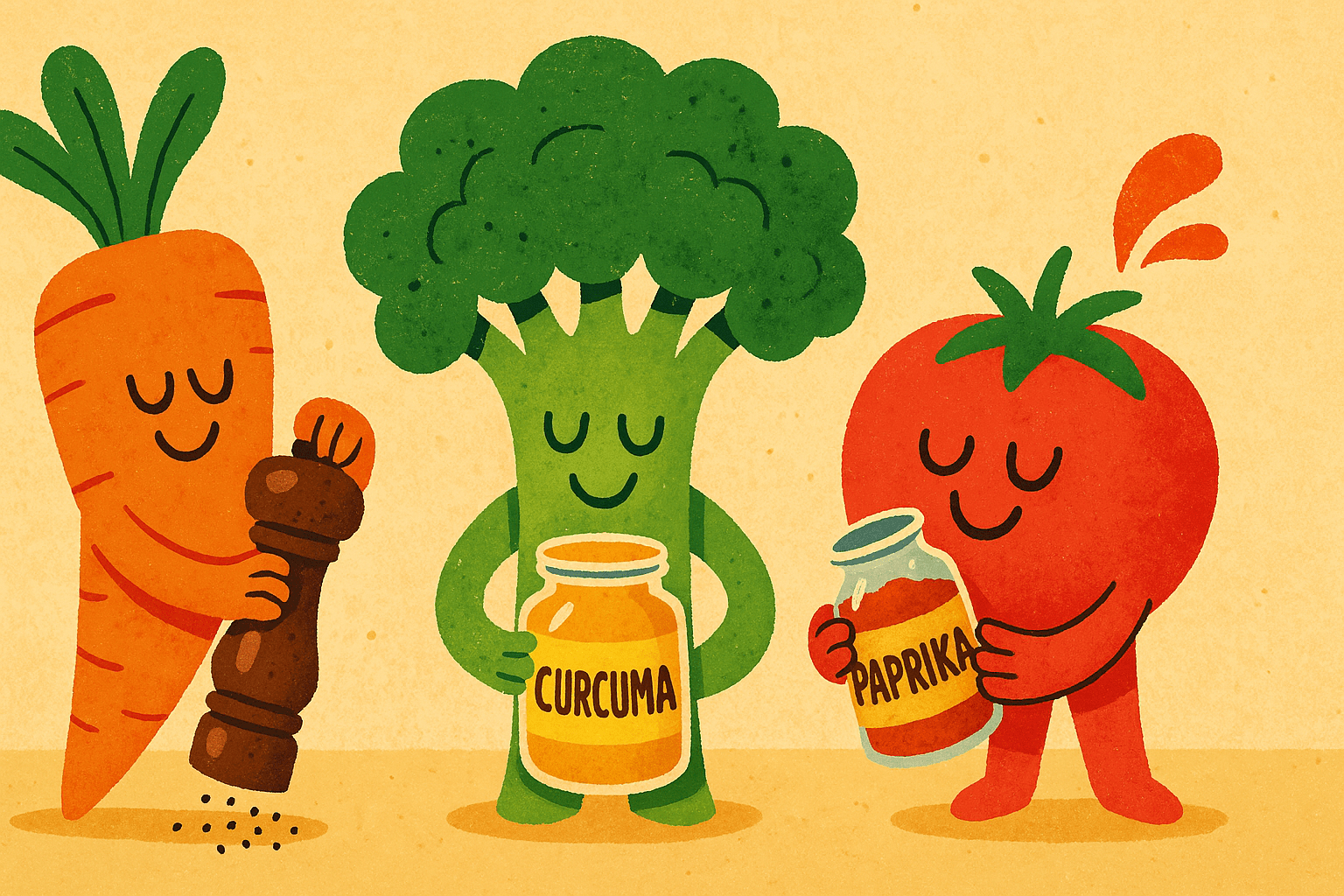
The Middle East is renowned for its flavorful cuisine, unique spice blends, and deliciously savory dishes. For those who follow a vegetarian diet or simply seek to diversify their menus, using Middle Eastern spices can transform the taste of your dishes and bring an exotic touch to your table. In this article, we will explore the main Middle Eastern spices, their benefits, as well as tips and recipe ideas to highlight them in your vegetarian dishes.
The art of spice in Middle Eastern cuisine dates back to antiquity. Merchant caravans crossed the desert and traded spices from Asia, Africa, and Europe. Over the centuries, this cultural and culinary exchange has given the region a unique gastronomic identity. Spices are considered both essential seasonings and natural remedies to promote health. If you are looking to brighten a vegetable dish, a legume stew, or even a salad, Middle Eastern spices will open many culinary doors for you.
This article will help you discover and adopt the essential Middle Eastern spices in veggie cooking. We will discuss their properties, uses, and the best flavor pairings. You will see that it is possible to create ultra-flavorful and varied vegetarian dishes with just a few ingredients.
Major Spices in Middle Eastern Cuisine
1. Cumin
Cumin is undoubtedly one of the most popular spices in the Middle East and around the world. It comes in the form of oblong brown seeds that can be used whole or ground. Its aroma is warm, slightly earthy, and pungent, with a hint of citrus.
Benefits and Use
- Cumin aids digestion by stimulating the production of digestive enzymes.
- This spice is known for its carminative effect, which helps combat bloating.
- In cooking, it is often paired with legumes (lentils, chickpeas, beans) to enhance their flavor and facilitate their assimilation.
For a more pronounced flavor, it is advisable to lightly sauté whole cumin seeds in a bit of oil. This releases their essential oils and develops an intense taste. You can then grind them if you prefer to use them in powder form in your dishes.
2. Coriander
Coriander is a spice commonly used in its fresh form (leaves) or as dried seeds. The seeds have a lemony and slightly sweet fragrance. When coriander seeds are roasted or freshly ground, they emit a subtle, somewhat floral aroma that pairs well with a wide variety of preparations.
Benefits and Use
- Coriander seeds have antiseptic properties and help stimulate digestion.
- They are particularly useful for flavoring roasted vegetable dishes (zucchini, carrots, potatoes) and for seasoning soups or sauces.
- Fresh coriander leaves, on the other hand, add a touch of freshness to salads, hummus, or curries.
Coriander is widely used in the Middle East for spice blends. For example, in the famous Ras el-Hanout blend (emblematic of North Africa), ground coriander is often found alongside other spices.
3. Turmeric
Turmeric is a rhizome with a yellow-orange color. It is best known for its bright color that gives a golden hue to preparations. Its taste is mild, slightly peppery, and earthy. Turmeric is often consumed in powder form but can also be found fresh.
Benefits and Use
- Turmeric is rich in curcumin, an antioxidant with anti-inflammatory properties.
- Consumed regularly, it can help support the immune system and protect the body against oxidative stress.
- In cooking, it is perfect for coloring vegetable dishes, stir-fries, or soups. It is also used in hot drinks, like golden milk.
To enhance the absorption of curcumin, it is recommended to add a bit of black pepper when cooking with turmeric. Pepper significantly increases the bioavailability of this beneficial molecule.
4. Sumac
Sumac is a characteristic spice of the Middle East. It comes from the dried berries of a shrub and is presented as a reddish-purple powder. Its tangy and slightly fruity taste is reminiscent of lemon, though less aggressive.
Benefits and Use
- Sumac is rich in antioxidants and vitamin C.
- It is often sprinkled on dishes once cooked, to add a subtle acidity without adding liquid.
- It traditionally seasons salads, especially fattoush salad (made with grilled pita bread, salad, tomatoes, cucumbers, and fresh herbs), as well as hummus, grilled vegetables, and various sauces.
Sumac pairs very well with olive oil and can also replace lemon or vinegar in some cases. Its slight tang can enhance your stir-fries of green vegetables or chickpeas.
5. Zaatar
Zaatar is not a single spice but rather a blend based on thyme, sumac, sesame seeds, and sometimes oregano or other herbs. This very fragrant blend holds an emblematic place in Levantine cuisine (Lebanon, Syria, Jordan).
Benefits and Use
- Thanks to the thyme or oregano it contains, zaatar is known for its antiseptic and digestive properties.
- Its herbaceous and slightly tangy taste is a perfect ally for seasoning your preparations.
- It is traditionally consumed on bread (manakish), mixed with olive oil. It can also flavor grilled vegetables, vegetable omelets, rice, or salads.
Zaatar is very easy to make yourself. You can grind three tablespoons of dried thyme, two tablespoons of sumac, and two tablespoons of toasted sesame seeds. Adjust according to your preferences and store your blend in an airtight jar.
6. Ras el Hanout
Although ras el hanout is more associated with North Africa, it is also often used in the Middle East. Literally, ras el hanout means “head of the shop” and refers to a prestigious blend of the best spices offered by the merchant.
Composition and Use
- Its ingredients vary from one blend to another but often include cumin, coriander, cardamom, cinnamon, pepper, ginger, paprika, and sometimes dried rose.
- It brings great aromatic complexity to dishes.
- It is used with stewed vegetables, couscous, vegetarian tagines, and even in soups to enhance the flavor.
If you buy a ready-made ras el hanout, check the ingredient list to ensure it does not contain unwanted colorings or additives. Otherwise, you can create your own blend and adapt it to your tastes.
7. Cardamom
Cardamom is a highly aromatic spice with a sweet, lemony, and minty flavor. It is often found in the form of green or brown pods, or as a powder.
Benefits and Use
- Cardamom is known for its digestive and refreshing virtues.
- In Middle Eastern cuisine, it is used in both savory dishes (rice, vegetables, sauces) and desserts (pastries, puddings).
- It is also used to flavor coffee, particularly traditional Turkish or Arabic coffee.
To fully enjoy its aroma, it is best to buy whole pods, open them, and retrieve the small black seeds inside. Simply crush or grind them just before use.
Tips and Tricks for Using Middle Eastern Spices in Veggie Cooking
Now that we have reviewed the major spices of Middle Eastern cuisine, let’s look at some practical tips for incorporating them into your daily vegetarian meals.
1. Learn to Measure
Measuring is a crucial aspect of using spices. Middle Eastern spices can be very aromatic. It is therefore advisable to start with small amounts and adjust gradually while tasting:
- For example, half a teaspoon of ground cumin may already be enough to enhance a soup or a vegetable stir-fry.
- The use of sumac is more liberal. Sprinkle it until you achieve the desired tangy note.
2. Mix Spices for More Complexity
It is rare to use a single spice. In Middle Eastern cuisine, the art lies in the blend:
- You can mix cumin, coriander, and a hint of paprika to provide a warm aromatic base to a stewed vegetable dish.
- Also, try combining different peppers, cinnamon, or cloves to create an enchanting spicy bouquet.
To save time, prepare homemade blends in advance and store them in airtight jars. You will always have your own personalized blends on hand.
3. Favor Varied Cooking Methods
Vegetarian dishes greatly benefit from varied cooking methods: roasting, grilling, stewing, steaming, etc. Spices will release different aromas depending on the technique used:
- Roasting vegetables (carrots, eggplants, zucchinis) with a drizzle of olive oil and spices is a simple way to bring out an intense and slightly caramelized taste.
- Stewing lentils or chickpeas with a mild spice blend (cumin, coriander) in a broth allows for the development of a creamy and flavorful sauce.
- Steaming enhanced with sumac and fresh herbs preserves the natural taste of vegetables while adding a subtle note.
4. Discover New Pairings
Feel free to experiment beyond the beaten path. Middle Eastern spices pair well with ingredients typical of other cuisines:
- Pair zaatar with Mediterranean vegetables (peppers, sun-dried tomatoes, black olives).
- Add cardamom to an Asian vegetable dish.
- Prepare a tahini sauce with cumin to accompany homemade falafels or raw vegetables.
The important thing is to taste as you go to adjust the balance of flavors.
Ideas for Vegetarian Dishes Inspired by the Middle East
To help you take action, here are some ideas for flavorful veggie dishes inspired by the culinary tradition of the Middle East.
1. Zaatar-Infused Hummus
Hummus is a preparation made from chickpeas, tahini (sesame paste), lemon juice, and garlic. To give it an even more fragrant touch:
- Prepare your classic hummus by blending cooked chickpeas, a bit of lemon juice, tahini, and garlic.
- Add a teaspoon of zaatar (or more to taste) and a drizzle of olive oil.
- Sprinkle a bit of sumac on top for a tangy note.
- Serve with grilled pita bread, raw vegetables, or crackers.
Hummus is a staple of Middle Eastern vegetarian cuisine. Infinitely adaptable, it also comes in vegetable versions (beetroot, roasted carrot, pumpkin) and takes on varied colors and flavors.
2. Vitamin-Packed Fattoush Salad
Fattoush salad is emblematic of the Levant. It is usually prepared with lettuce, tomatoes, cucumbers, fresh herbs (parsley, mint), onion, grilled pita bread, and sumac.
- Cut your pita bread into small strips, brush them with olive oil, then bake them until crispy.
- Chop your vegetables into pieces and mix them in a large bowl.
- Season with olive oil, lemon juice, salt, and sumac.
- Add the pita strips and serve immediately to maintain the bread’s crispiness.
For a protein-rich version, add roasted chickpeas or tofu cubes seasoned with cumin and coriander.
3. Vegetable Tagine with Varied Spices
Tagine is a stewed dish that highlights spices. For a vegetarian version:
- Sauté a sliced onion in a bit of oil, then add garlic, carrots, and potatoes cut into pieces.
- Generously sprinkle with ras el hanout, then add seasonal vegetables (zucchini, eggplant, pumpkin).
- Adjust the seasoning with salt, pepper, and a bit of ground cumin or coriander.
- Moisten with vegetable broth and let simmer over low heat until the vegetables are tender.
- Serve with couscous or whole-grain bread.
You can also add chickpeas or lentils. Ras el hanout brings a true richness of flavors and an enchanting aroma.
4. Flavorful Falafels
Falafels are patties made from chickpeas, herbs, and spices. Here is a simple and tasty Middle Eastern version:
- Soak dry chickpeas overnight. Drain and rinse them.
- Blend them with onion, garlic, parsley, fresh coriander, cumin, ground coriander, and a bit of salt.
- Form balls or patties.
- Fry them in hot oil or bake them for a lighter version.
- Serve in pita bread or a wrap with fresh vegetables, hummus, or a tahini sauce.
Falafels are an iconic vegetarian dish that lends itself perfectly to Middle Eastern spices.
Health Benefits and Impact
In addition to bringing exceptional taste to your dishes, Middle Eastern spices also have numerous health benefits:
- Most are rich in antioxidants, which help the body defend against cellular aging.
- Many have anti-inflammatory properties (turmeric, ginger) and can contribute to the prevention of certain chronic diseases.
- Some spices aid digestion (cumin, coriander), which is ideal in a vegetarian diet rich in fiber and legumes.
Using spices is thus an excellent way to add variety to your meals, reduce your salt intake (as spices already enhance the taste), and benefit from their health virtues.
Conclusion
Middle Eastern spices are a culinary treasure that can radically transform your vegetarian dishes. Whether you are a fan of stews, fresh salads, spreads, or oven-baked dishes, these spices offer endless possibilities to vary flavors and prolong the pleasure of cooking. Their history, diversity, and benefits make them valuable allies for your daily life.
Here are some key points to remember:
- The key spices include cumin, coriander, turmeric, sumac, zaatar, ras el hanout, and cardamom.
- Learn to measure sparingly before finding the balance that suits you.
- Mixing spices allows for great aromatic complexity.
- Varying cooking methods (roasting, grilling, stewing) brings out different flavors.
- Spices are not only delicious but also rich in beneficial properties for health.
By adopting these spices in your veggie cooking, you will discover new harmonies of flavors and open the door to a multitude of recipes. The classic hummus, falafels, tagines, and Middle Eastern-style salads are excellent starting points to explore this gustatory universe. Let your creativity run wild, add your personal touch, and enjoy a healthy, flavorful, and truly exotic cuisine.
Feel free to share your discoveries and favorite recipes with your loved ones. There’s nothing like sharing and conviviality to make vegetarian gastronomy shine and showcase the full potential of Middle Eastern spices! Enjoy your meal.