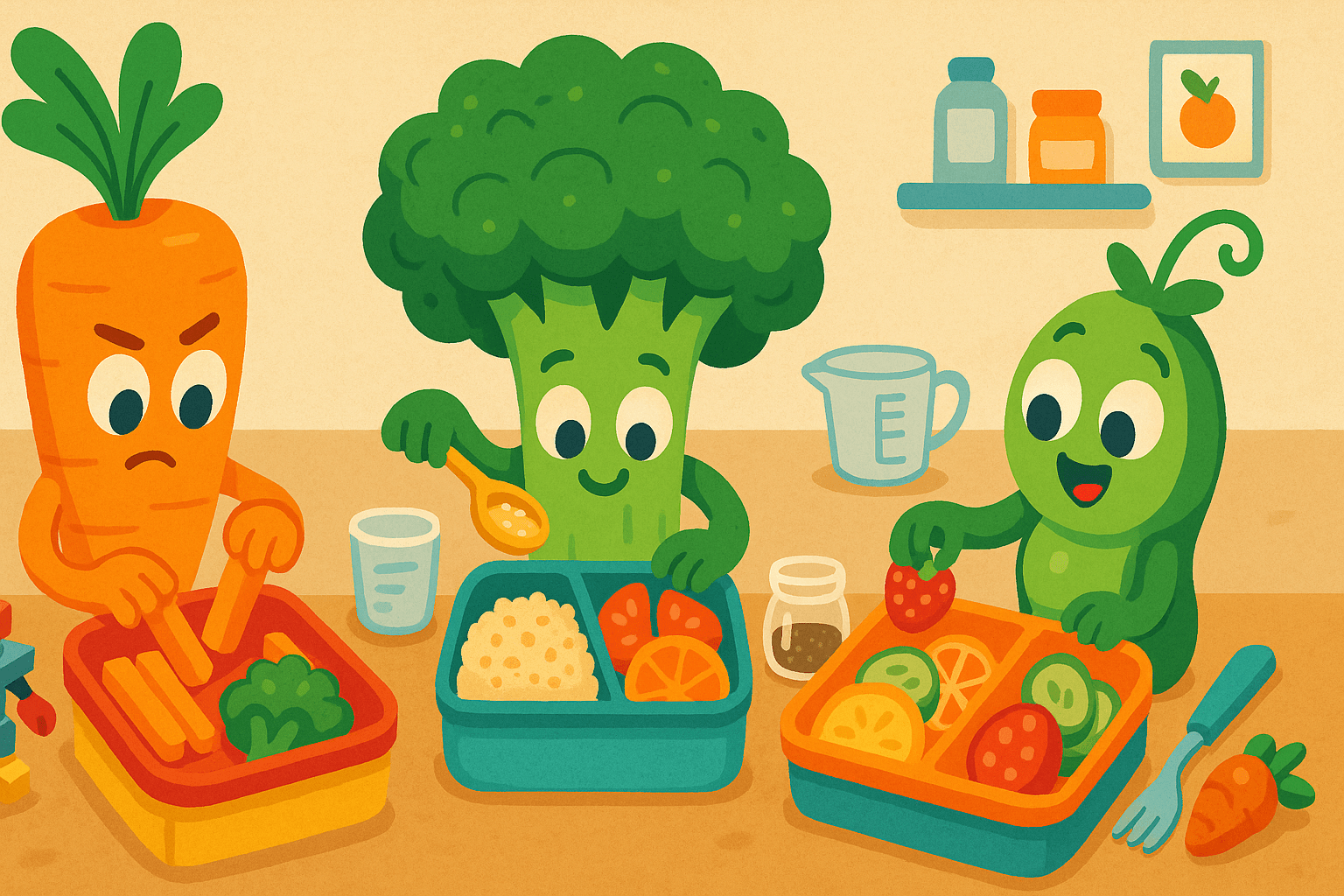
Batch Cooking for Beginners in Vegetarian Diet
Batch cooking, the art of preparing multiple meals in advance for the week, is increasingly becoming a staple in our modern lifestyles. It saves precious time, money, and reduces food waste. For vegetarians, it’s also an opportunity to diversify their meals and discover new delicious recipes. Are you new to vegetarian eating and want to adopt batch cooking to simplify your life? This comprehensive guide will help you take your first steps, from planning to storage, along with practical tips to make this new cooking method your best ally.
What is Batch Cooking?
Batch cooking involves preparing a variety of foods and meal components in a single cooking session that you can assemble and enjoy in the following days. It’s not about cooking a single dish for the week, but rather cooking several basic ingredients (grains, vegetables, sauces…) that can be combined in different ways throughout the week to create varied meals.
Why It’s Particularly Suited to a Vegetarian Diet
In a vegetarian diet, you rely on a wide variety of ingredients: legumes (lentils, chickpeas, beans…), grains (rice, quinoa, pasta, bulgur…), fresh or frozen vegetables, fruits, dairy products (if you opt for lacto-vegetarianism), etc. Batch cooking optimizes the preparation of these ingredients by planning, for example, the cooking of your legumes and grains in advance, and cutting your vegetables for the week. This way, you avoid last-minute preparations when time is short.
The Benefits of Batch Cooking
-
Time Saving
By planning your meals and cooking on the weekend or a specific evening, you prepare most of your week. No more spending your days trying to figure out what to eat, as everything is ready to be reheated or assembled. -
Financial Savings
Cooking in advance allows you to buy ingredients in larger quantities and take advantage of promotions. It also limits last-minute spontaneous purchases, which are often more expensive. -
Less Waste
Batch cooking comes with meticulous planning: you buy only what you need and cook precisely for the week’s meals. Result: fewer unnecessary leftovers and better use of each product. -
Simplified Organization
No more “What’s for dinner tonight?” headaches. The menus are already planned. You gain peace of mind knowing everything is in your fridge or freezer, ready to be consumed. -
More Varied Cooking
With good planning, you can include varied ingredients, try new recipes, and have fun assembling different dishes to create balanced and delicious meals.
How to Start Batch Cooking in a Vegetarian Diet
1. Inventory Your Tastes and Needs
Before you start, it’s essential to define your dietary goals and preferences. Some want to increase their vegetable intake, others seek to integrate more legumes into their diet. Also, consider your favorite dishes, personal and family constraints (intolerances, allergies, foods you don’t like…).
2. Plan Your Menus
The key to batch cooking lies in planning. Choose a specific time of the week to plan your menus: it could be Thursday evening or Friday afternoon, allowing you time to shop on Saturday or Sunday. To facilitate planning:
- List the week’s meals: breakfast, lunch, dinner. If you often have lunch outside, plan for easy-to-carry dishes.
- Ensure you vary sources of plant proteins: tofu, lentils, chickpeas, red beans, tempeh, etc.
- Alternate between whole grains (brown rice, quinoa, whole wheat pasta) and more classic grains (basmati rice, white pasta, etc.).
- Think of seasonal vegetables to enjoy tasty and less expensive products.
- Make sure to include fresh vegetables and fruits ready to be eaten in salads, as well as others that can be cooked in advance (ratatouille, roasted vegetables…).
3. Make a Precise Shopping List
Once your menus are established, make a precise shopping list, first checking what you already have at home. Group ingredients by categories (fruits and vegetables, legumes, grains, dairy products or vegan cheeses, etc.) to save time in the store. Don’t hesitate to visit bulk stores to buy the exact quantity of legumes or grains you need.
4. Choose a Time to Cook
Select a time slot of about two to three hours for your “batch cooking session.” This could be Sunday afternoon or an evening during the week. Ensure you have all the ingredients on hand, as well as the necessary equipment (pots, pans, cooking sheets, jars, airtight containers…). Put on some music or a podcast to accompany this moment and make this cooking session a moment of pleasure and relaxation.
5. Organize the Cooking Session
A good batch cooking session might consist of:
- Cooking your dry legumes (lentils, chickpeas, red beans…) if you haven’t already soaked them. Legumes play an important role in a vegetarian diet as they provide quality proteins, as well as fibers, minerals, and vitamins.
- Cooking your grains (rice, quinoa, pasta…).
- Slicing and cooking your vegetables (roasted, steamed, or sautéed).
- Preparing one or two sauces (a homemade tomato sauce, a coconut milk-based sauce, or a vegetarian pesto sauce).
- Anticipating your breakfasts (for example, homemade granola or pre-portioned porridges in jars, ready to be mixed with milk of your choice).
- Cutting raw vegetables (carrots, cucumbers, peppers…) and fruits for snacks or to add to a salad.
- Carefully storing each preparation in airtight containers, then labeling with the preparation date if necessary.
6. Store and Assemble
Place each food in a suitable container. To avoid odor contamination between preparations, use well-sealed boxes or glass jars. For salads, keep the dressing separate to prevent the leaves from wilting too quickly.
- In the refrigerator, most of your preparations will keep for three to four days (cooked vegetables, sauces, cooked grains, cooked legumes).
- In the freezer, you can store a surplus of cooked legumes, sauces, or even already cooked dishes for two to three months. Be sure to label what you put in the freezer to avoid forgetting to consume them in time.
Then, assemble your meals as needed. In the morning, if you want to take your lunch with you, simply mix the pre-cooked ingredients to get a salad, a Buddha bowl, or a reheated dish to go.
Examples of Vegetarian Batch Cooking Menu Ideas
Menu 1: Discovering Legumes and Roasted Vegetables
-
Day 1 (Monday):
Lunch: Lentil salad (cooked lentils, grated carrots, red onions, vinaigrette)
Dinner: Vegetable curry (leftover carrots, potatoes, curry sauce, coconut milk), served with rice -
Day 2 (Tuesday):
Lunch: Buddha bowl with quinoa, chickpeas, roasted vegetables (zucchini, eggplant, peppers), hummus
Dinner: Spiced red lentils with coconut milk, on a bed of rice or quinoa -
Day 3 (Wednesday):
Lunch: Red bean wrap, green salad, tomatoes, avocados, grated cheese (or vegan alternative)
Dinner: Vegetable and chickpea patties, served with a green salad -
Day 4 (Thursday):
Lunch: Whole wheat pasta with homemade tomato sauce, olives, basil
Dinner: Leftover roasted vegetables with sautéed tofu, soy sauce, and some sesame seeds -
Day 5 (Friday):
Lunch: Vegetarian risotto (with mushrooms and parmesan or vegan alternative)
Dinner: Mixed vegetable soup (carrots, leeks, potatoes), accompanied by croutons
Menu 2: World Flavors
-
Day 1 (Monday):
Lunch: Vegetarian couscous (chickpeas, zucchini, carrots, tomatoes, spices)
Dinner: Homemade vegetable pizza (peppers, mushrooms, onions, tomato sauce) with vegan cheese or mozzarella -
Day 2 (Tuesday):
Lunch: Quinoa salad, chickpeas, assorted raw vegetables, sunflower seeds
Dinner: Lentil dahl (red lentils, Indian spices, coconut milk) served with naan -
Day 3 (Wednesday):
Lunch: Falafel wrap, raw vegetables, and tahini sauce
Dinner: Stir-fried noodles with vegetables, tofu marinated in soy sauce -
Day 4 (Thursday):
Lunch: Chili sin carne (red beans, tomatoes, peppers, spices) with basmati rice
Dinner: Grilled vegetable tacos (mushrooms, onions, peppers), guacamole, sour cream or soy-based alternative -
Day 5 (Friday):
Lunch: Lebanese tabbouleh with bulgur, parsley, mint, tomatoes, lemon juice
Dinner: Miso vegetable soup (wakame seaweed, silken tofu, mushrooms) and white rice
Practical Tips for Successful Batch Cooking
1. Invest in Quality Containers
To properly store your preparations, have airtight containers of various sizes. Glass jars are very practical for sauces, legumes, or to take your salads. They keep freshness well, are reusable, and easy to clean. BPA-free plastic boxes are also a good option, preferably with perfectly airtight lids to prevent leaks.
2. Don’t Forget Labeling
It’s easy to forget how long a sauce or cooked vegetables have been in the fridge. To avoid mistakes, label each preparation with the cooking date and its contents. A simple piece of adhesive paper or a washable pen on the lid can do the trick.
3. Adapt Storage Time
Generally, a cooked or prepared food keeps for three to four days in the refrigerator. Cooked legumes can also be stored in the refrigerator for the same duration. If you don’t plan to use a food within this time frame, it’s better to freeze it to keep it longer (two to three months).
4. Balance Your Meals
Even if you have all sorts of preparations ready, keep in mind to compose balanced meals:
- A source of plant protein (lentils, chickpeas, beans, tofu, tempeh…).
- A source of complex carbohydrates (rice, quinoa, pasta, whole grain bread).
- A generous portion of vegetables (cooked or raw).
- A quality lipid intake (olive oil, seeds, nuts, avocado).
- Fresh herbs or spices to enhance everything.
5. Anticipate the Unexpected
Sometimes you have to eat out or a meal is improvised. In these cases, don’t feel obligated to consume what you had planned at all costs. You can always reuse these preparations another day of the week or freeze them to avoid losing them.
6. Reuse Leftovers Wisely
If you end up with a surplus of roasted vegetables, you can blend them to make a soup or a sauce for your pasta. Legumes cooked in too large a quantity can be turned into hummus, falafels, or vegetarian burgers. Hardened bread can be revived as croutons for your soups and salads.
Selection of Tips Specific to Vegetarian Eating
- Vary Your Protein Sources: Even if you have a “favorite” food like chickpeas, don’t hesitate to diversify. Red beans, white beans, split peas, tofu, tempeh, seitan, and textured soy proteins are all protein sources that prevent monotony.
- Favor Seasonal Products: They are often cheaper, tastier, and more environmentally friendly. This also allows you to experiment with new recipes as the seasons change.
- Rely on Spices and Aromatics: Basil, coriander, parsley, turmeric, curry, paprika, cumin… All these condiments and aromatics are essential to give flavor to your vegetarian preparations.
- Swap Classic Cheese for Plant-Based Alternatives: You can try vegan cheeses made from cashews, which can be homemade or purchased in stores.
- Make Your Own Sauces: Industrial sauces are often rich in sugar, salt, and additives. Prepare a simple tomato sauce with onions, tomatoes, a drizzle of olive oil, and a bit of garlic. You can freeze it in portions to enhance your dishes for several weeks.
Example of a Step-by-Step Batch Cooking Session
Imagine a Sunday afternoon when you want to prepare your meals for the week.
-
Cooking Legumes
- Soak your chickpeas the night before (Saturday night). Sunday morning, rinse them and let them cook in a large volume of water. Drain, then let cool.
- Do the same with another type of legume: green or red lentils, which are quicker to cook and don’t necessarily require soaking.
-
Preparing Grains
- In a saucepan, cook quinoa according to the package instructions.
- Simultaneously, cook basmati rice in another saucepan.
- Drain, let cool, and place everything in containers. You can then use rice or quinoa in various recipes.
-
Roasting Vegetables
- Preheat your oven to 200°C (392°F).
- Cut seasonal vegetables: eggplants, peppers, zucchinis, onions. Brush with olive oil, salt, pepper, and add some Provence herbs.
- Arrange them on a baking sheet covered with parchment paper, bake for about 30 minutes.
- Once cooked, store them in an airtight box.
-
Sauces and Various Preparations
- Prepare a homemade tomato sauce with tomato puree, an onion, garlic, a teaspoon of olive oil, salt, pepper, and some dried herbs. Let simmer for 20 minutes and store in a jar.
- Blend cooked chickpeas with a bit of tahini, garlic, and lemon juice to get a creamy hummus.
- Prepare a dressing for your salads: mix olive oil, apple cider vinegar, mustard, salt, and pepper. Store it in a small jar to avoid soaking your vegetables.
-
Preparing Snacks and Breakfasts
- If you have a sweet breakfast, prepare homemade granola: oats + dried fruits + seeds + honey or agave syrup (baked on a sheet for 20 minutes at 160°C/320°F) then store in a glass jar.
- Also prepare some fresh cut fruits (pineapple, mango, watermelon depending on the season) for healthy snacks.
- Also cut carrot or cucumber sticks to dip in the hummus.
-
Storage and End of Session
- Place each preparation in its airtight container, let cool before closing the boxes.
- Store in the refrigerator everything you plan to consume within three to four days.
- If there’s a surplus, opt for freezing additional cooked legumes, sauces, or vegetables.
- Organize and label to avoid confusion.
Adapting Batch Cooking Throughout the Seasons
One of the great pleasures of vegetarian eating is adapting to the seasons. In summer, you’ll enjoy more eggplants, zucchinis, tomatoes, peppers, as well as sun-drenched fruits like peaches, apricots, or watermelon. In autumn and winter, you can focus on root vegetables (carrots, parsnips, beets), squashes (pumpkin, butternut), and mineral-rich vegetables (kale, broccoli…).
Batch cooking perfectly adapts to this rotation of ingredients. Thus, you can:
- Vary your roasted vegetables according to the season (eggplants and peppers in summer, pumpkin and sweet potatoes in autumn).
- Reinvent your soups (cold cucumber soup or gazpacho in summer, butternut velouté in autumn).
- Test new sauce or condiment recipes (rocket pesto in spring, carrot top pesto to avoid waste).
How to Avoid Monotony
Even though batch cooking is supposed to simplify life, some people fear getting bored by seeing the same preparations. To avoid this pitfall:
-
Change Ingredients Every Week
Don’t systematically make rice or lentils. Try bulgur, spelt, flageolet beans, split peas… -
Alternate Cooking Methods
Instead of constantly roasting your vegetables in the oven, you can grill them in a pan, steam them, or eat them raw in a salad. -
Focus on Flavor
Fresh herbs (basil, mint, chives…), spices, and sauces will help you bring always new flavors to identical basic ingredients. -
Have Fun
Cooking shouldn’t become a chore. Try new dishes, explore foreign cuisines, be creative with your ingredient combinations. Don’t hesitate to test new sweet recipes like vegetarian muffins with vegetables or lightened fruity desserts. -
Invite Family or Friends to Participate
You don’t have to experience your batch cooking session alone. Invite a friend or relative to do it together. It’s a convivial moment that can enhance the pleasure of cooking.
The Challenges of Batch Cooking and Their Solutions
-
Preparation Time
It’s true that you need to set aside two to three hours a week to cook. However, this time is largely offset by the benefit of not having to worry about meals in the following days. If this time slot seems too long, start smaller (an hour is sometimes enough to prepare some basics). -
Refrigerator Space
Not everyone has a large refrigerator. Favor stackable containers and eliminate unnecessary packaging. You can also freeze some of your preparations to avoid overloading the fridge. -
Fear of Lack of Freshness
Properly stored, your preparations won’t lose their taste or nutritional qualities in three to four days. If you’re afraid some vegetables will spoil, freeze them right after cooking. -
Difficulty Calculating Quantities
It takes some practice to know exactly how much grains and legumes to cook for the week. To avoid over-preparing, start with small quantities, even if it means supplementing mid-week if you run out of something. -
Need for More Elaborate Recipes
If you love gastronomy, don’t view batch cooking as a constraint. You can perfectly prepare sauces or broths in advance that will serve as a base for more complex recipes, then assemble them when the time comes to create a refined dish.
Conclusion
Batch cooking in a vegetarian diet is an excellent way to save time, save money, and eat healthily without sacrificing variety and taste pleasure. All it takes is a little organization, anticipation, and a good dose of creativity to make this meal preparation method an asset in your daily life. By focusing on quality, seasonal ingredients and varying legumes, grains, and vegetables, you can fully enjoy a balanced and flavorful diet while limiting waste and impulsive purchases.
If you’ve never tried it, start gradually: begin by preparing some grains and vegetables in advance, then gradually increase the variety of your preparations. With a little practice, batch cooking will quickly become a habit that allows you to enjoy more free time and an infinite variety of vegetarian dishes. Good luck and most importantly… enjoy!