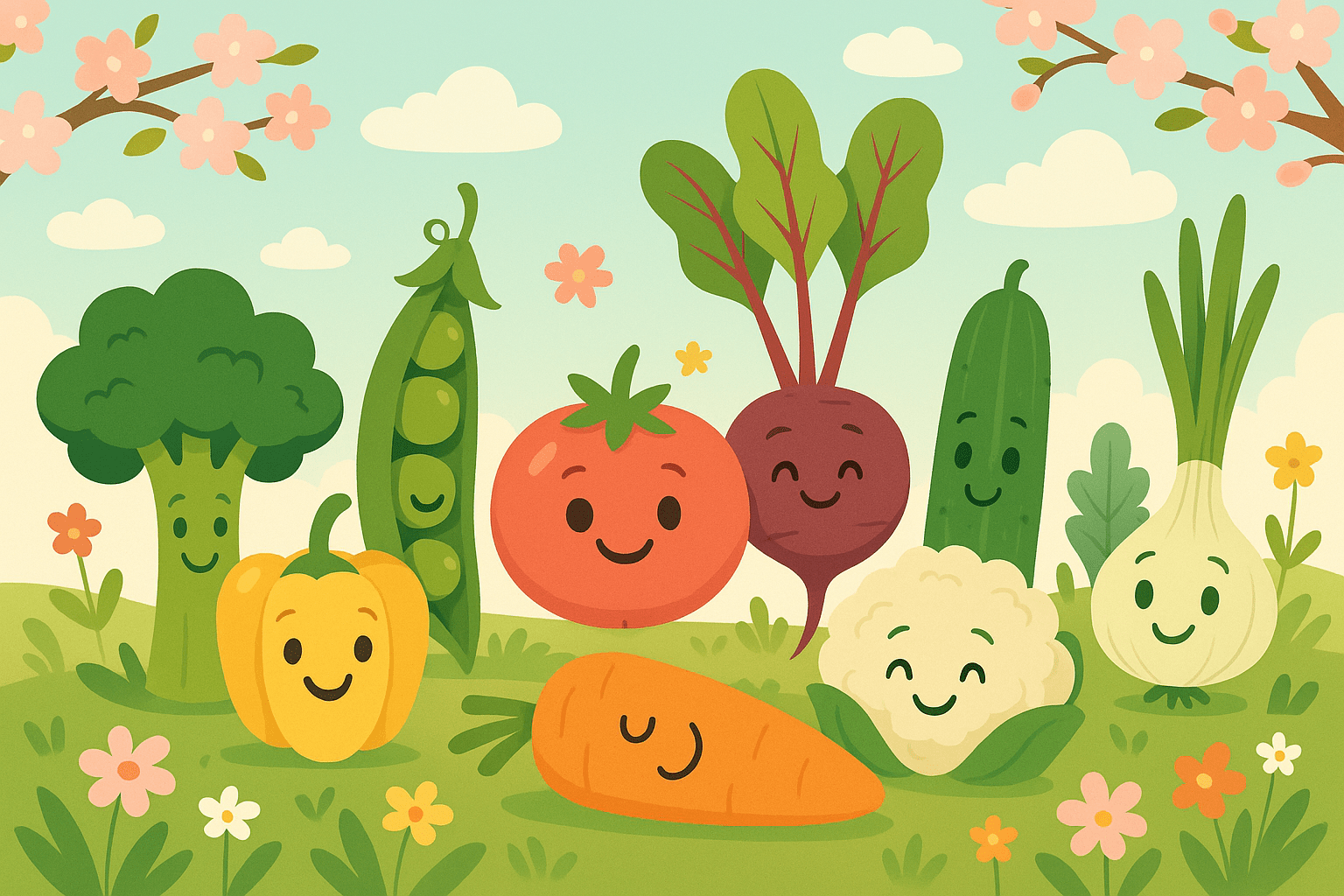
Adapting Vegetarian Meals to the Seasons
In the world of vegetarian cooking, many foods are available year-round. However, the flavors, nutrients, and even the environmental impact of fruits and vegetables vary greatly from one season to another. To fully enjoy the goodness of the earth’s produce, it is essential to adapt your vegetarian recipes according to the seasons. This adjustment allows for better freshness, potentially lower costs, and a reduced ecological footprint. Additionally, eating seasonal fruits and vegetables helps us diversify our diet, discover new flavors, and maintain the desire to cook creatively.
In this article, we will explore the main principles of seasonal vegetarian cooking, as well as some dish ideas that highlight key products of each time of the year. You will also learn how to plan your meals to reduce waste and make the most of each harvest. Get ready to embrace the abundance of spring, the freshness of summer, the warm colors of autumn, and the comfort of winter, all while staying true to a healthy and delicious vegetarian diet.
Why Cook Vegetarian According to the Seasons
Before delving into the specifics of each season, it’s helpful to remember why it’s beneficial to adapt your meals to the natural cycles of the earth.
-
Better Nutritional Quality
Seasonal fruits and vegetables generally have a more pronounced taste and higher vitamin and mineral content. Picked at the right time, they retain maximum nutrients. -
Support for Local Agriculture
By choosing seasonal products from nearby regions, we support the local economy while reducing transportation and thus CO2 emissions. -
Savings on the Food Budget
Seasonal products are often less expensive because they are available in greater quantities at markets and from greengrocers. It’s a good way to save money while enjoying fresh foods. -
Better Respect for the Environment
Limiting products that come from far away or require heated greenhouses is an ecological gesture. Eating seasonal foods helps reduce your carbon footprint. -
Variety in Menus
Following the seasons is an excellent way to diversify your diet. Seasonal changes stimulate culinary creativity and prevent routine from setting in.
Now that the main advantages of seasonal vegetarian cooking are clear, let’s explore each season and discover how to highlight their key products.
Spring
Spring is synonymous with renewal. The first rays of sunshine warm the earth, and many fruits and vegetables make their appearance. After a sometimes difficult winter, this season brings fresh and light flavors. Here are some spring essentials and ideas for cooking them.
Key Spring Products
- Asparagus (white, green, or purple)
- Peas and snow peas
- Broad beans
- Spinach
- Radishes
- Lettuces and varied salads
- Strawberries and rhubarb for sweetness
Spring Recipe Ideas
-
Young Spinach, Strawberry, and Walnut Salad
Fresh spinach has a delicate taste that pairs very well with the sweet tartness of strawberries. Add some crushed walnuts for crunch and a light balsamic vinaigrette. -
Pea and Mint Spread
Blend cooked peas with fresh mint, plant-based cream cheese (or a bit of silken tofu), a drizzle of olive oil, and lemon juice. Serve on whole-grain bread or crackers for a healthy and colorful appetizer. -
Asparagus Risotto
Delicately cooked green asparagus gives risotto a refined flavor. You can enhance it with a bit of plant-based parmesan for creaminess and add lemon zest for a zing. -
Spring Frittata
Spring vegetables like spring onions, asparagus, and spinach fit perfectly into a vegetarian frittata made with eggs or an egg substitute (such as chickpea flour). Garnish with some fresh herbs like chives or parsley.
Tips for the Season
- Prioritize Freshness
Spring products are often delicate. Make sure to consume them quickly to avoid losing their flavor or nutrients. - Manage Surpluses
If you’re lucky enough to have a garden or buy in bulk, you can turn surpluses into soups, spreads, or preserves. - Stock Up
It’s the ideal season to freeze peas or prepare rhubarb sauces. You’ll enjoy them even after the season ends.
Summer
Summer is the season of sunshine, long days, and an abundance of colorful and water-rich fruits and vegetables. This abundance of sun-drenched foods allows for a vitamin boost and the preparation of fresh and light dishes. It’s the perfect time to immerse yourself in Mediterranean flavors and colorful salads.
Key Summer Products
- Tomatoes (of all shapes and colors)
- Zucchini, peppers
- Eggplants
- Cucumbers
- Green beans
- Berries (raspberries, currants, blackberries)
- Melon, watermelon, peach, apricot
- Aromatic herbs (basil, mint, thyme, rosemary)
Summer Recipe Ideas
-
Multicolored Tomato and Plant-Based Mozzarella Salad
Mix cherry tomatoes of different colors (yellow, red, orange) with plant-based mozzarella or marinated tofu. Drizzle with olive oil and garnish with fresh basil leaves. Simple and tasty. -
Homemade Ratatouille
It’s an emblematic summer preparation. Simmer together eggplants, zucchini, peppers, and tomatoes, with a bouquet garni (thyme, bay leaf). Ratatouille can be enjoyed hot, warm, or cold. -
Zucchini Carpaccio
Slice raw zucchini thinly, drizzle with lemon juice, olive oil, and sprinkle a little salt and pepper. Let marinate for a few minutes, then optionally add plant-based parmesan shavings or toasted sunflower seeds for crunch. -
Cold Pasta with Summer Vegetables
Pasta salads are a summer staple. Vary the vegetables (sun-dried tomatoes, olives, cucumber, peppers), and add homemade pesto or a sauce with olive oil, garlic, and fresh herbs.
Tips for the Season
- Hydration First
Since it’s hot, prioritize water-rich dishes (cucumbers, watermelons, melons) and drink enough throughout the day. - Enjoy the Markets
Summer offers a profusion of tomato and zucchini varieties, among other wonders. Vary the colors to bring a festive touch. - Preservation
Take advantage of the season to make tomato preserves or prepare homemade coulis. This will give you flavorful sauces at your fingertips during winter.
Autumn
When summer gives way to autumn, vegetables still grow abundantly, but the coolness gradually sets in. Orange and red tones dominate the market stalls. Autumn is the season of squashes in all their forms, mushrooms, chestnuts, and apples. This time of year is synonymous with comforting dishes, perfect for cooler evenings.
Key Autumn Products
- Squashes (red kuri, butternut, musky squash)
- Carrots, potatoes, beets
- Leeks
- Wild mushrooms (porcini, chanterelles, chanterelles)
- Apples, pears, grapes
- Chestnuts, walnuts, hazelnuts
Autumn Recipe Ideas
-
Squash Velouté
Red kuri squash has a sweet flavor and a chestnut taste. Blend it after cooking with a bit of vegetable broth, plant-based cream, and some spices (nutmeg, pepper). Serve hot with roasted pumpkin seeds. -
Forest Mushroom Sauté
Sauté a mix of wild mushrooms in olive oil or plant-based margarine, add garlic and parsley. You can incorporate marinated tofu strips for a protein source. Enjoy with fresh bread. -
Potato and Grated Squash Patties
Mix grated potatoes and squash, an egg or substitute, flour, and spices (paprika, herbs). Form patties and brown them in a pan. Serve with a green salad and a bit of plant-based cream sauce. -
Lentil and Root Vegetable Stew
Lentils pair very well with carrots, leeks, and potatoes. Let simmer until smooth. Add a few bay leaves, thyme, and small cubes of red kuri squash.
Tips for the Season
- Rely on Comforting Spices
Cinnamon, nutmeg, ginger, and sweet paprika can help enhance the flavor of autumn products. - Preserve Squashes
Whole squashes often keep for several weeks away from light and humidity. Ideal for stocking up. - Think of Seasonal Fruits for Desserts
Apples and pears can be turned into pies, compotes, or crumbles. Don’t hesitate to add nuts or raisins for more indulgence.
Winter
Winter is often considered the least rich season for a fruit and vegetable-focused cuisine. Yet, many products are available, and it’s an opportunity to cook comforting dishes. Root vegetables are the basis of a winter vegetarian diet, not to mention cabbages (which come in many forms) and some citrus fruits for a vitamin C boost.
Key Winter Products
- Cabbages (green cabbage, red cabbage, cauliflower, broccoli, Brussels sprouts)
- Root vegetables (carrots, parsnips, Jerusalem artichokes, beets)
- Leeks
- Citrus fruits (oranges, clementines, grapefruits)
- Potatoes
- Late squashes
Winter Recipe Ideas
-
Cauliflower Gratin
Steam some cauliflower florets, then place them in a gratin dish with a plant-based béchamel sauce (plant milk and margarine, thickened with flour). Sprinkle with some grated plant-based cheese and bake until golden. -
Winter Vegetable Pot
The traditional pot can easily be adapted to a vegetarian version. Put root vegetables (carrots, potatoes, turnips) and sliced cabbages in a large pot. Add vegetable broth and let simmer slowly. -
Leek and Potato Soup
Simple and effective. Sweat sliced leeks, add cubed potatoes, and cover with broth. Blend into a fine puree for a delicious comforting soup. Serve with some whole-grain croutons. -
Chili Sin Carne with Winter Vegetables
Replace meat with a mix of red beans and textured soy, add seasonal vegetables like squash or carrot, and season with chili, cumin, and other spices. Let simmer and serve with whole-grain rice.
Tips for the Season
- Prioritize Warmth
Stews, gratins, and soups are perfect for warming up. - Use Root Vegetables
They are ideal for purées or stews. Also, try oven-roasted beets, a treat. - Boost Vitamin C Intake
Don’t neglect citrus fruits. A small touch of orange or lemon can enhance the flavor of many dishes or desserts.
How to Plan Meals All Year Round
To cook vegetarian according to the seasons, it’s often useful to have an overview of what’s coming in the weeks or months ahead. Here are some tips for organizing your meals and anticipating your needs:
-
Create a Seasonal Product Calendar
Display, for example, on your refrigerator, a calendar indicating the fruits and vegetables available month by month. This will facilitate your choices at the market or supermarket. -
Plan Your Menus in Advance
At the beginning of the week, list the dishes you want to prepare. This will allow you to buy only what you need and limit waste. -
Vary Plant Proteins
In addition to seasonal vegetables, make sure to regularly include legumes (lentils, chickpeas, red beans) as well as whole grains (brown rice, quinoa, buckwheat) and nuts (walnuts, almonds). This way, you effectively cover your protein and essential amino acid needs. -
Balance Your Diet Over the Week
It’s not necessary to include everything in one meal. A vegetable-rich dish one day can be balanced by a more grain and legume-focused dish the next day. -
Opt for Smart Freezing
If you find good deals at the market, don’t hesitate to buy in large quantities and freeze. Some fruits and vegetables freeze very well and retain their vitamins (like tomatoes, zucchini, and even blanched spinach).
Reducing Food Waste
Adapting meals to the seasons goes hand in hand with fighting food waste. Here are some tips to make your food last longer and avoid throwing it away:
- Buy in Reasonable Quantities
If a vegetable doesn’t keep well, don’t take too much at once. You can go back to the market more often to ensure optimal freshness. - Quickly Transform Fragile Products
Salads wilt quickly. If you see them starting to tire, incorporate them into a soup or green smoothie. - Make Jars and Preserves
Tomato sauces, fruit compotes, and vegetable pickles are an excellent way to preserve seasonal flavors. Good sterilization allows for several months of preservation. - Prefer Bulk
Stores offering bulk products allow you to buy precisely the quantity you need, thus reducing the risk of waste.
Additional Tips for a Fulfilling Vegetarian Life
-
Stay Informed
The varieties of fruits and vegetables available can vary from one region to another. Inquire with local small producers to know the current availability. -
Try New Foods
Each season is an opportunity to experiment. Have you never tasted kale or Chioggia beet? Go for it. Curiosity will allow you to discover new tastes and recipe ideas. -
Grow a Small Garden
Even if you don’t have much space, a few potted plants on a balcony can already provide you with fresh herbs or some cherry tomatoes regularly. You will appreciate your harvests all the more knowing the work and attention they required. -
Read Labels
If you buy out-of-season fruits or vegetables, check their origin. Sometimes, it may make more sense to eat a local vegetable from another season rather than an imported vegetable that has traveled the world. -
Share Your Discoveries
If you try a new seasonal recipe and love it, share it with your friends or family. Organize meals or cooking workshops together, an excellent way to promote vegetarian eating in a convivial setting.
Conclusion
Adapting vegetarian meals to the seasons is a sensible gesture. It allows for eating more flavorful, nutritious, and often less expensive products. Each season offers a range of culinary possibilities that avoid monotony. From spring renewal to summer abundance, from autumn colors to the warmth of winter dishes, vegetarian cooking invites us to rediscover the precious link that unites us to the earth and its natural rhythm.
By carefully planning your menus and focusing on freshness and diversity, you can create balanced and delicious plates. Remember that the pleasure of the table also comes from discovery and sharing: dare to innovate, invite your loved ones to taste these new creations, and encourage exchange around more sustainable eating.
The natural rotation of the seasons is an incredible opportunity to bring variety and well-being to our daily lives. With a little organization and a touch of creativity, you will be able to compose balanced vegetarian dishes throughout the year. You will also be proud to contribute to an environmentally respectful lifestyle while taking care of your health and that of your loved ones. Enjoy your meal and happy culinary curiosity!